
Preserving Periodontal Ligament Viability After Sudden Tooth Dislodgement
Severe physical impact to the mouth requires rapid intervention to rescue dislodged teeth. Patients experiencing acute oral trauma in the region depend on urgent clinical evaluation to prevent permanent loss. Fast treatment ensures proper reinsertion, stabilizing vital tissues before irreversible cellular death occurs in the jaw.
Accidents during sports at Cherokee Park or sudden falls can result in an avulsed tooth, meaning a tooth is completely knocked out of its socket. SIMPLE DENTAL provides immediate relief for this severe pathological traumatic pain. When a tooth leaves the mouth, the delicate periodontal ligament fibers, the microscopic connective tissues that anchor the root to the bone, begin to rapidly dry out and die. Preserving these tissues is crucial for successful re-implantation. Immediate evaluation at our Morristown clinic allows our clinical team to assess the structural damage. Using high-resolution low-radiation digital X-rays, we quickly determine the optimal approach for alveolar socket stabilization, the process of securing the surrounding bone to support the reinserted root. Our localized anesthesia protocols ensure you remain comfortable during these urgent walk-in procedures. Delaying care dramatically decreases the survival rate of the natural tooth.
Patients arriving immediately after blunt force impact often express profound relief when they learn their natural smile can still be rescued through prompt intervention.
Immediate Stabilization and Surgical Care
Urgent dental injuries demand precise biological management. The survival of an intact root relies heavily on maintaining a moist environment during transport to the clinic. Once you arrive at the facility, our specialists evaluate the bleeding and structural integrity of the affected site. We may utilize hemostatic ligament suturing, a surgical technique to control active bleeding and tightly secure the supporting tissues around the reimplanted tooth. This precise method promotes cellular reattachment while preventing harmful bacteria from entering the open wound. Optimal recovery requires strict adherence to post-operative guidelines provided by our clinical staff.
Critical Transport Protocols for Dislodged Teeth
- Optimal Transport Medium: Place the affected tooth in cold milk or a specialized cell-preserving solution to keep tissues alive.
- Handling Technique: Touch only the chewing surface, avoiding contact with the delicate root structure.
- Time Sensitivity: Re-implantation within thirty to sixty minutes yields the highest probability of biological success.
- Improper Storage to Avoid: Never scrub the tooth, wrap it in a dry tissue, or store it in tap water.
Common Questions About Sudden Tooth Dislodgement
What should I do right after my tooth is knocked out?
Pick up the tooth by the crown and gently rinse it with saline if it is dirty. You can try to place it back into the socket, or keep it moist in milk while you head straight to our clinic. We are here to help you through this stressful moment safely.
Will the reinserted tooth survive permanently?
Success depends heavily on how quickly you receive clinical care and how the tooth was transported. Many patients retain their natural teeth for decades following rapid, proper stabilization. Rest assured that our team uses advanced techniques to maximize your chances of a full recovery.
Does an emergency visit cost more than a scheduled appointment?
Clear upfront pricing is a core part of our community safety-net framework. You will know exactly what the treatment requires financially before we begin any procedure. Dealing with an injury is hard enough without having to worry about hidden clinical fees.
Schedule Your Urgent Trauma Consultation in Morristown, TN
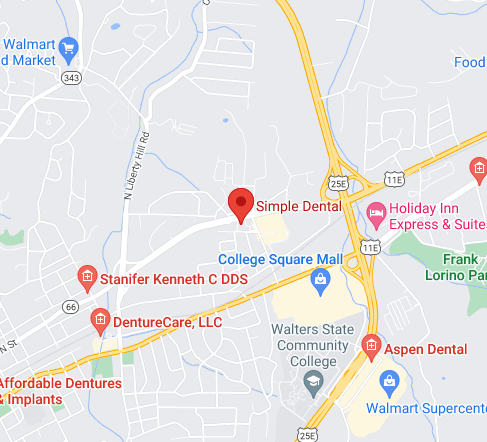
If you or a family member suffers a severe dental injury, do not wait to seek professional care. Contact SIMPLE DENTAL immediately or visit our urgent care clinic at 2104 E Andrew Johnson Hwy. Our dedicated team provides rapid, compassionate relief for acute oral trauma.


Leave a Reply
Want to join the discussion?Feel free to contribute!