ER Versus Walk-In Clinic Options When Severe Dental Pain Strikes

Choosing between a hospital emergency room and a walk-in dental clinic during acute oral distress can significantly affect your healing timeline and costs. Emergency rooms typically stabilize systemic symptoms with temporary remedies, whereas outpatient dental suites deliver immediate surgical solutions to eliminate painful bacterial infections.

Should you drive to the nearest hospital or visit an outpatient dental center when a throbbing toothache strikes in the middle of the day? Sudden oral discomfort often leaves patients overwhelmed by long hospital waiting lines and uncertain medical costs. Dr. Joshua Grooms, DDS, and our experienced team at Simple Dental provide efficient relief near the College Park Walk-In Clinic along the US-11E corridor. Receiving a swift radiographic evaluation, which is low-radiation digital imaging to inspect internal bone structures, allows our clinical staff to identify the root cause immediately.

Technical Capabilities in Managing Acute Odontogenic Infections

Hospital emergency departments provide critical, life-saving care, yet medical staff generally lack specialized dental equipment or licensed dentists on duty. Most emergency rooms offer pain medication or antibiotics to manage symptoms of an odontogenic abscess, which is a trapped bacterial infection at the base of a tooth. These prescription remedies provide brief relief without eliminating the underlying bacterial source inside the root canal. Full recovery requires intervention inside the jawbone, such as pulpal therapy to clear infected pulp or an outpatient extraction to remove compromised structures. Visiting an urgent dental facility provides immediate access to local anesthesia, which numbs the target area so procedures can proceed without pain.

Comparing Hospital ERs and Outpatient Urgent Dental Clinics

Care Parameter Hospital Emergency Room Outpatient Urgent Dental Clinic
Primary Focus Systemic stabilization and trauma care Target treatment of dental root infections
Average Wait Time Multiple hours based on triage priority Rapid walk-in care with direct rooming
Treatment Capability Temporary medications without dental repairs Permanent restorations, extractions, and root canal therapy
Pricing Model Complex hospital facility fees and physician billing Clear upfront pricing explained before care begins

Key Steps to Take When Choosing Emergency Dental Care

  • Assess systemic red flags: Seek immediate emergency hospital care if high fever, swelling that blocks breathing, or severe facial trauma occurs.
  • Locate dedicated outpatient dental suites: Visit a walk-in clinic for direct treatment of broken teeth, severe toothaches, or lost crowns.
  • Obtain high-resolution digital imaging: Undergo rapid X-ray scans to pinpoint infected tooth roots without lengthy delay.
  • Review transparent fee breakdowns: Ensure all treatment costs are fully disclosed before starting any procedure.
  • Receive definitive clinical intervention: Choose direct removal of infected tissue rather than relying solely on temporary pain pills.

Common Questions About ER vs Urgent Dental Care

Deciding where to seek care during a severe dental emergency can feel daunting when discomfort disrupts your daily routine. Many patients worry that choosing between a hospital emergency room and an urgent dental center will result in unexpected medical bills or delayed treatment. Our friendly care team is committed to providing straightforward guidance so you can make informed health decisions for your family. Below are detailed answers to frequent questions about emergency room visits and walk-in dental options.

Is a hospital emergency room equipped to treat a toothache?

Hospital emergency rooms typically provide temporary medications for tooth pain rather than performing permanent dental treatments. Patients visiting our Morristown walk-in clinic often save valuable time while receiving targeted relief in a supportive environment. Selecting an urgent dental care facility ensures a licensed dentist directly treats the source of your discomfort.

What is the main cost difference between the ER and urgent dental care?

Emergency room visits often include substantial facility charges and separate physician fees, which can lead to high unexpected costs. Understanding your options helps reduce financial anxiety, which is why our clinic provides clear upfront pricing before any procedure starts. Direct dental care eliminates redundant hospital bills by treating your tooth pain in a single visit.

Can an urgent dental clinic handle same-day emergency appointments?

Walk-in dental clinics offer dedicated same-day evaluations to address severe pain and facial swelling quickly. Compassionate staff members welcome you without judgment, helping you feel at ease from the moment you step through our doors. Modern localizedanesthesia and advanced clinical technology in our outpatient suites can deliver fast relief.

Schedule Your Urgent Dental Evaluation in Morristown

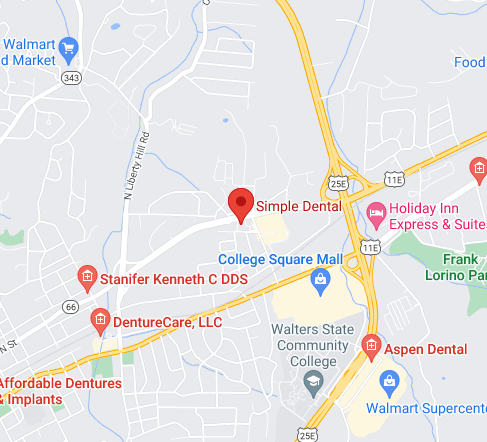
Navigating acute tooth pain requires prompt assistance from a community care team that values clear communication and affordable options. Situated at 2104 E Andrew Johnson Hwy directly next to the College Park Walk-In Clinic, Simple Dental serves patients near Panther Creek State Park and along the South Davy Crockett Pkwy corridor. Our walk-in clinic provides transparent pricing and comfortable surgical suites when emergency tooth pain strikes. Contact Dr. Joshua Grooms, DDS, and our caring staff today for an immediate evaluation and relief from severe dental discomfort.

Immediate Steps to Save a Knocked-Out Tooth Before Permanent Loss Occurs

Immediate action within thirty minutes dramatically increases the likelihood of saving an avulsed permanent tooth. Carefully holding the crown, preserving the root in fresh milk or saline, and seeking emergency care allow dentists to complete a stabilization procedure before delicate tissue dies.

Enjoying a warm afternoon at Cherokee Park or playing sports near Walters State Community College can turn stressful when an unexpected blow knocks out a tooth. Experiencing sudden trauma in the mouth leaves individuals feeling panicked about permanent physical changes and emergency medical costs. Dr. Joshua Grooms, DDS, and our care team at Simple Dental provide calm guidance and walk-in treatment near the College Park Walk-In Clinic. Rapid execution of a re-implantation protocol, which is a clinical procedure to seat and stabilize a dislodged tooth back into its socket, protects delicate periodontal fibers. Obtaining immediate radiographic evaluation, meaning low-radiation digital imaging, confirms socket integrity before procedures begin.

Biological Mechanisms of Root Survival and Periodontal Ligament Preservation

When a tooth is knocked out, the cells covering the root surface begin to dry out and die immediately. These microscopic living fibers, known as the periodontal ligament, act like tiny shock absorbers that anchor the tooth root directly to jawbone tissue. Submerging the root in milk or saline maintains balanced cellular hydration, preventing sudden cell rupture caused by tap water or dry air. Immediate clinical intervention allows the tooth to re-attach naturally while soft tissue heals around the socket. Delaying treatment past one hour often causes pulpal necrosis, where internal nerve tissue completely dies, requiring subsequent root canal therapy or an outpatient extraction if the root cannot fuse.

Comparing Storage Media Options for Knocked-Out Teeth

Storage Medium Biological Survival Rate Cell Hydration Effect Recommended Action
Cold Fresh Milk High when treated within 60 minutes Maintains natural fluid pressure in cells Primary recommended transport liquid
Saline Solution High when treated within 60 minutes Matches natural body fluid concentration Ideal clinical or first-aid kit option
Inside Cheek Saliva Moderate for up to 30 minutes Keeps root moist through natural secretions Emergency option if liquid containers are missing
Plain Tap Water Extremely Low Causes surface cells to swell and burst Avoid completely for tooth storage

Critical Steps to Preserve an Avulsed Permanent Tooth

  • Handle only the tooth crown: Touch only the top chewing surface to avoid touching or damaging fragile root fibers.
  • Rinse gently if soiled: Wash away dirt using mild saline or milk without scrubbing or scraping the root surface.
  • Store in proper liquid: Submerge the root immediately in fresh cold milk or saline solution to preserve cell viability.
  • Seek immediate walk-in care: Travel directly to our Morristown clinic along the S Davy Crockett Pkwy corridor for urgent evaluation.
  • Receive localized stabilization: Undergo comfortable treatment using localized anesthesia, which completely numbs the jaw during splinting.

Common Questions About Knocked-Out Permanent Teeth

Losing a permanent tooth during an accident creates sudden shock and fear regarding your long-term smile and financial health. An unexpected injury can make many patients worry that saving the natural tooth is impossible or unaffordable. Our compassionate team offers direct pricing and reassuring care so you can navigate emergencies with complete confidence. Here are answers to common questions regarding emergency care for a knocked-out permanent tooth.

Can a knocked-out tooth reattach if you wait too long?

Re-implantation success drops significantly after sixty minutes because root surface cells dry out and die. Reassuringly, visiting an emergency clinic quickly allows our skilled clinical staff to attempt specialized splinting procedures. Immediate imaging through high-resolution digital X-rays helps determine if the natural root can be safely re-anchored.

What should I do if I cannot place the tooth back in the socket?

Placing the tooth in a clean container filled with cold milk protects delicate root fibers during travel. Our caring dental team understands how stressful oral injuries feel and will welcome you without judgment. Immediate care in our outpatient surgical suites ensures proper cleaning and splinting under gentle local numbing.

Will a re-implanted tooth need additional treatment later?

Most re-implanted permanent teeth require follow-up care to monitor internal nerve health and ensure complete healing. Our team guides you through transparent pricing options before any future pulpal therapy, which treats infected internal nerve tissue. Preserving your natural tooth structure ultimately protects long-term jaw stability and prevents costly complex replacements.

Schedule Your Emergency Dental Evaluation in Morristown

Accidents require fast, decisive action from a supportive clinical team that prioritizes your comfort. Situated at 2104 E Andrew Johnson Hwy directly next to the College Park Walk-In Clinic, Simple Dental serves patients across Panther Creek State Park and regional commuter routes. Our walk-in clinic provides upfront pricing and compassionate care when unexpected trauma occurs. Contact Dr. Joshua Grooms, DDS, and our skilled staff right away for immediate evaluation and tooth preservation.

Signs a Facial Infection Is Escalating Beyond a Basic Cavity

Rapid facial swelling from an advanced tooth infection signals that bacteria have breached the hard outer enamel and spread deep into surrounding tissue. Immediate evaluation can prevent systemic infection and requires specialized emergency care to relieve pressure and safely restore health.

Living near Panther Creek State Park or commuting along the South Davy Crockett Pkwy corridor, a dull ache in your jaw can quickly evolve into an urgent concern. What starts as a small sensitivity rapidly changes when bacteria invade soft internal structures, leading to an odontogenic abscess, which is a localized pool of pus caused by bacterial infection deep within a tooth. Soft tissue around the cheek or jaw swells as inflammatory fluids build pressure inside closed tissue spaces. Dr. Joshua Grooms, DDS, and our dedicated team at Simple Dental near the College Park Walk-In Clinic see patients every day who initially thought their toothache was manageable. Prompt radiographic evaluation, meaning advanced low-radiation digital imaging, allows our clinical staff to see how far deep infection has spread clearly.

Biological Escalation of Dental Infections into Surrounding Tissues

Ignoring persistent dental pain gives harmful bacteria time to break through protective layers and reach the tooth root. Once bacteria enter the bone, the body forms a periapical lesion, which is a pocket of infected fluid at the base of the root. Pressure builds rapidly inside the jawbone because hard bone cannot expand to make room for swelling. Infection eventually breaks through the thin outer bone plate, spilling into the soft muscles of the face and neck. Immediate clinical treatment removes trapped bacteria, stopping infection progression before systemic complications develop.

Tracking the Stages of Dental Infection Progression

Infection Stage Common Physical Symptoms Tissue Impact Level Needed Urgent Dental Treatment
Mild Decay Surface sensitivity to hot or cold Confined to enamel and dentin Composite resin filling
Deep Nerve Infection Constant throbbing pain and pressure Reaches internal pulp chamber Root canal or pulpal therapy
Advanced Abscess Visible facial swelling and fever Spreads into surrounding bone Drainage and localized anesthesia with extraction
Escalated Infection Difficulty swallowing or opening jaw Expands into facial muscular spaces Emergency walk-in evaluation and antibiotics

Immediate Signs That Require Urgent Evaluation

  • Noticeable facial asymmetry: Swelling on one side of the cheek or jawline indicates active fluid accumulation deep within muscle layers.
  • Persistent throbbing pressure: Constant aching that keeps you awake indicates severe fluid pressure surrounding the root tip.
  • Difficulty swallowing or breathing: Spreading tissue swelling near the throat requires immediate emergency intervention to protect your airway.
  • Elevated systemic fever: Your body temperature rises as your immune system fights expanding oral bacteria.
  • Unpleasant taste or drainage: Sudden foul-tasting fluid release in the mouth signals a rupturing internal tissue pocket.

Common Questions About Facial Swelling and Tooth Infection.

Sudden facial swelling can cause tremendous worry, especially when discomfort makes daily tasks or sleep impossible. Many patients hesitate to seek care because they fear high emergency bills or complicated procedures. Our gentle team provides direct answers and non-judgmental treatment options so you can make informed choices about your oral health. Below are answers to frequent questions regarding facial swelling caused by an escalating tooth infection.

Can a tooth infection cause facial swelling to spread quickly?

Facial swelling can expand within hours as bacteria move from the tooth root into soft cheek tissues. Our compassionate team understands how alarming sudden changes look and feel, so we prioritize immediate walk-in appointments. Timely intervention with local anesthesia, which completely numbs the area, stops the spread while keeping you comfortable.

Will taking over-the-counter antibiotics cure a swollen face?

Antibiotics alone cannot cure a tooth infection because medicine in the bloodstream cannot reach dead internal nerve tissue. Rest assured, our friendly staff will explain every step clearly, without confusing clinical terms or unexpected fees. Combining prescription medication with direct dental care eliminates trapped bacteria for permanent relief.

When should I visit an urgent dental clinic for facial swelling?

Visible facial swelling requires same-day clinical care to prevent infection from spreading into deeper neck or head structures. Choosing our local clinic ensures you receive attentive, non-judgmental treatment right when you need it most. Immediate imaging via high-resolution digital X-rays pinpoints the precise source so treatment can start right away.

Schedule Your Urgent Dental Evaluation in Morristown

Navigating sudden facial swelling requires immediate assistance from a dedicated care team focused on fast, transparent relief. Conveniently located at 2104 E Andrew Johnson Hwy, next to the College Park Walk-In Clinic, Simple Dental provides accessible emergency care for families near Walters State Community College and Cherokee Park. Our welcoming clinic offers transparent pricing and walk-in surgical suites to handle urgent cases comfortably. Contact Dr. Joshua Grooms, DDS, and our caring staff today for a safe evaluation and restored comfort.

Why Applying a Heating Pad to a Toothache Causes Severe Swelling

Placing external heat on an inflamed jaw increases local blood flow and cellular metabolic activity. This process widens blood vessels, pushing excess fluid into enclosed facial tissues. As a result, localized discomfort can quickly escalate into severe facial swelling and a spreading bacterial infection.

Have you ever reached for a warm compress during a midnight dental emergency? Many people with intense oral discomfort instinctively apply thermal pads directly to their cheeks. However, warming an active odontogenic abscess dramatically increases internal capillary pressure within the confined spaces of the jaw. When bacteria thrive in trapped pulpal tissue, heat speeds microbial proliferation rather than providing lasting comfort. Dr. Joshua Grooms and our urgent care clinical team regularly treat patients near College Park Walk-In Clinic who attempted this common home remedy. Immediate diagnostic imaging using high-resolution digital X-rays allows our staff to evaluate damaged structural tissue before localized complications worsen.

Biological Mechanisms of Thermal Expansion in Dental Tissue

Once a deep cavity reaches the tooth’s soft inner nerve, the tissue undergoes pulpal necrosis, meaning the nerve dies and becomes infected. Trapped bacteria generate fluid and gas inside the tooth’s rigid enamel walls, creating intense pressure that radiates outward into surrounding bone. External heat causes blood vessels to expand, drawing more fluid into tissue that has no room to expand. This extra pressure pushes inflammatory toxins deeper into adjacent tissues, creating an expanding periapical lesion around the root tip. Cold therapy restricts blood vessels to numb pain, whereas heating pads actively push infection into the cheek, jawbone, and facial muscles.

Comparing Emergency Thermal Interventions for Tooth Pain

Relief Method Biological Effect on Tissue Risk Level for Active Infection Recommended Urgent Care Use
External Heating Pad Increases vascular flow and tissue fluid accumulation High: Rapidly spreads swelling and accelerates bacterial growth Avoid completely for acute dental pain
Cold Ice Pack Constricts localized blood vessels and numbs pain nerve signals Low: Safely reduces facial swelling and inflammation Apply for 15 minutes at a time
Warm Salt Water Rinse Draws out surface fluid and cleanses oral soft tissues Low: Provides mild antiseptic cleanse without deep tissue heating Gently swish inside the mouth only
Over-the-Counter NSAIDs Blocks systemic inflammatory pathways throughout the body Low: Temporarily manages discomfort until professional evaluation Use as directed before walk-in care

Essential Steps for Managing an Acute Toothache Emergency

  • Discontinue all direct heat applications: Remove warm towels, heating pads, or hot compresses from the facial area immediately to stop tissue expansion.
  • Switch to cold compress therapy: Place an ice pack wrapped in a thin towel against the outer jaw for short intervals to reduce localized swelling.
  • Rinse gently with warm salt water: Swish mild saline solution around the affected area to clean surrounding gum tissue without heating deep bone structures.
  • Get a professional diagnostic evaluation: Visit an urgent outpatient clinic for immediate, low-radiation digital X-rays to pinpoint the source of the infection.
  • Receive targeted clinical treatment: Undergo appropriate clinical procedures such as localized anesthesia and gentle outpatient extraction or pulpal therapy to clear trapped bacteria.

Common Questions About Heating Pads and Toothache Relief

Struggling with sudden dental pain creates intense physical distress, leaving patients searching for quick home remedies in the middle of the night. Choosing the wrong comfort measure can unfortunately transform a manageable toothache into an urgent facial swelling emergency. Understanding how thermal pressure impacts infected tooth roots helps you make safe choices while arranging professional evaluation. Here are direct answers to the most common questions our clinical team receives regarding heat application and emergency toothache relief.

Is a heating pad ever safe to use on an aching tooth?

Placing direct heat on a toothache is never recommended because thermal energy expands blood vessels and worsens tissue swelling. Patients often find that warmth provides brief distraction, but the increased pressure ultimately intensifies nerve pain. Seeking prompt evaluation at an urgent care facility ensures the true source of infection is safely resolved.

What should I do if I already used a heating pad and my face is swelling?

Remove the heat source immediately and apply an ice pack to help constrict expanded blood vessels. Stay calm while you prepare to visit a walk-in dental clinic for immediate assistance. Our dental team can perform a rapid evaluation and administer localized anesthesia to relieve your pressure quickly.

How quickly can an urgent dental care clinic relieve severe toothache pain?

Same-day walk-in clinics provide fast relief by identifying the root cause through advanced radiographic evaluation. Friendly clinical staff guides you through clear, transparent pricing before performing gentle, targeted treatments. Removing infected pulp tissue or completing an outpatient extraction brings immediate, lasting comfort.

Schedule Your Urgent Toothache Evaluation in Morristown

Navigating acute tooth pain requires fast action from a compassionate clinical team that puts your comfort first. Located at 2104 E Andrew Johnson Hwy, directly adjacent to the College Park Walk-In Clinic, Simple Dental offers easy-access emergency care along the S Davy Crockett Pkwy corridor. Residents enjoying weekend trips to Cherokee Park or Panther Creek State Park can rely on our walk-in outpatient surgical suites for clear upfront pricing and non-judgmental care. Contact Dr. Joshua Grooms and our dedicated team today to restore your peace of mind and eliminate dental pain safely.